
01
Healing
Ceremony and traditional practice, held by experienced guides, at the pace a person can actually absorb.

Tarapoto, San Martín, Perú
A retreat, a traditional healing practice and a conservation project in the Peruvian Amazon. Stay four days or three weeks. Either way, the forest sets the pace.
Filmed above Qinty Wasi. The roofs are in there, under the canopy.
Organización Qinty
01
Ceremony and traditional practice, held by experienced guides, at the pace a person can actually absorb.
02
The forest that makes this work possible is the same forest that has to be kept standing.
03
Between guests and the people who live here, and between people and a place that was never separate from them.

From the common area
Chapter one. The forest
People arrive expecting silence. What they find instead is alive: crickets settling in at dusk, frogs after the rain, birdsong starting again before light. The Amazon is a quiet that is full rather than empty.
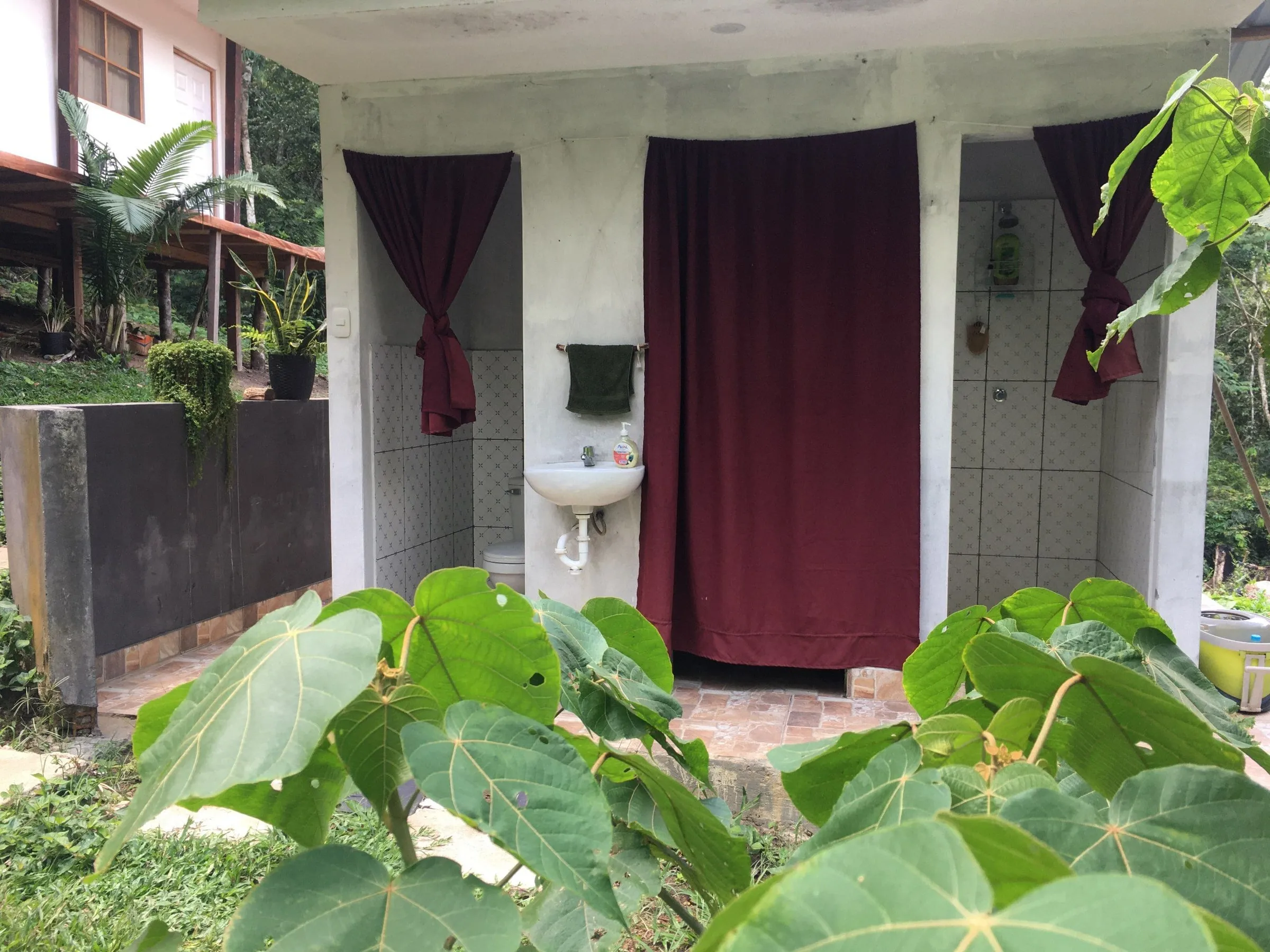
Paths between the buildings are kept clear and well lit for safety, not because the forest around them is cleared. This is conservation land that Qinty treats as sacred territory, so only the path itself is ever touched: everything beside it stays exactly as it was. Getting from your room to the dining area or the ceremony house is easy and safe after dark, and most guests spend their evenings exactly where they are meant to: sitting out, talking, listening to the rain on the roof, watching for fireflies.
Around Tarapoto the forest climbs into hills. Mist sits in the folds until mid morning. Water is everywhere: streams, rain, the rivers that cut through the region. The land Qinty holds is part of that system, not a clearing cut out of it.

Chapter two. Qinty Wasi
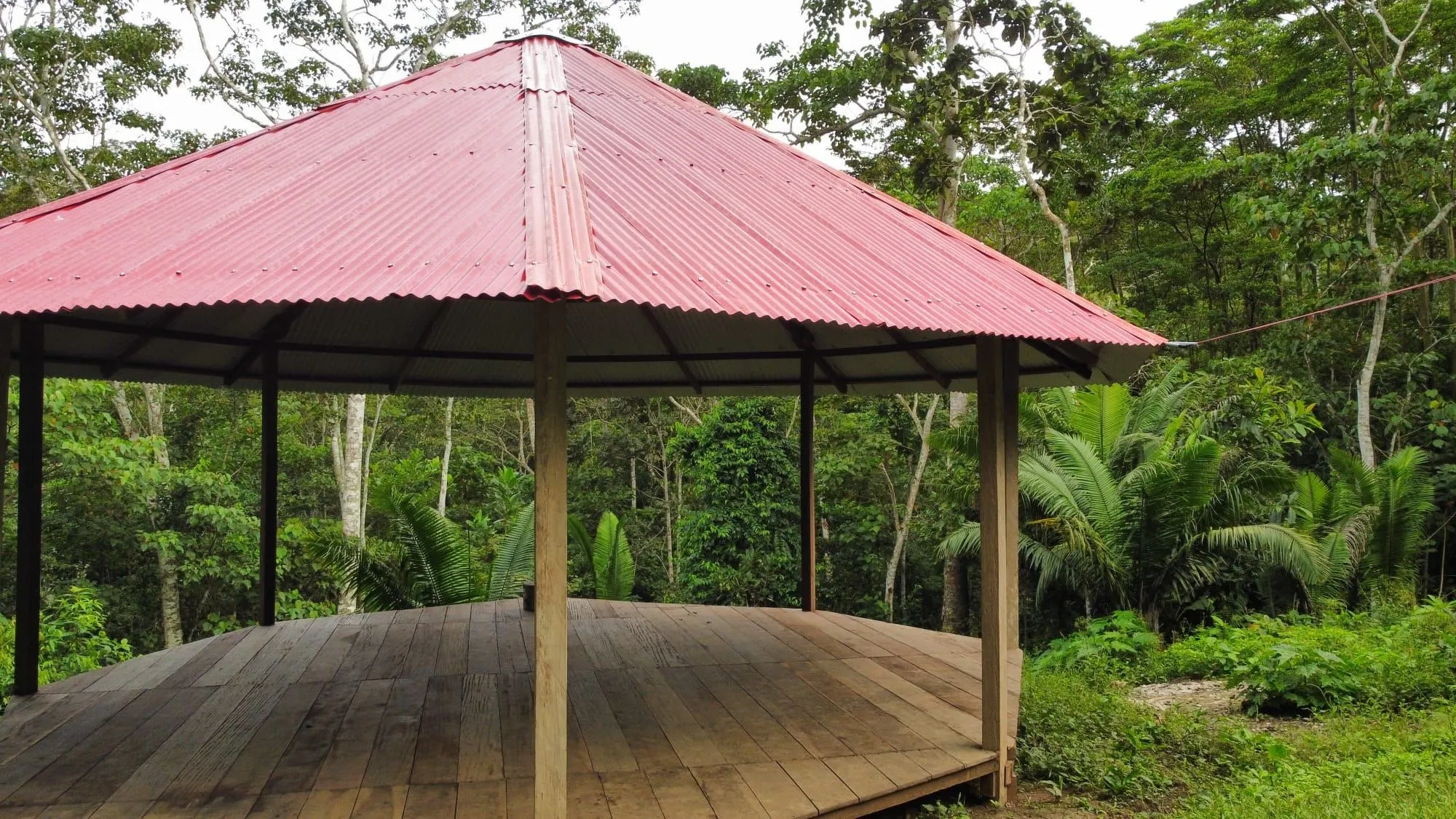
Qinty Wasi was set inside the forest rather than carved out of it. The ceremony house is round, made of wood, open on the sides where the light comes in, and small next to what surrounds it. The trees were never pushed back to improve the view of the ridge behind it.
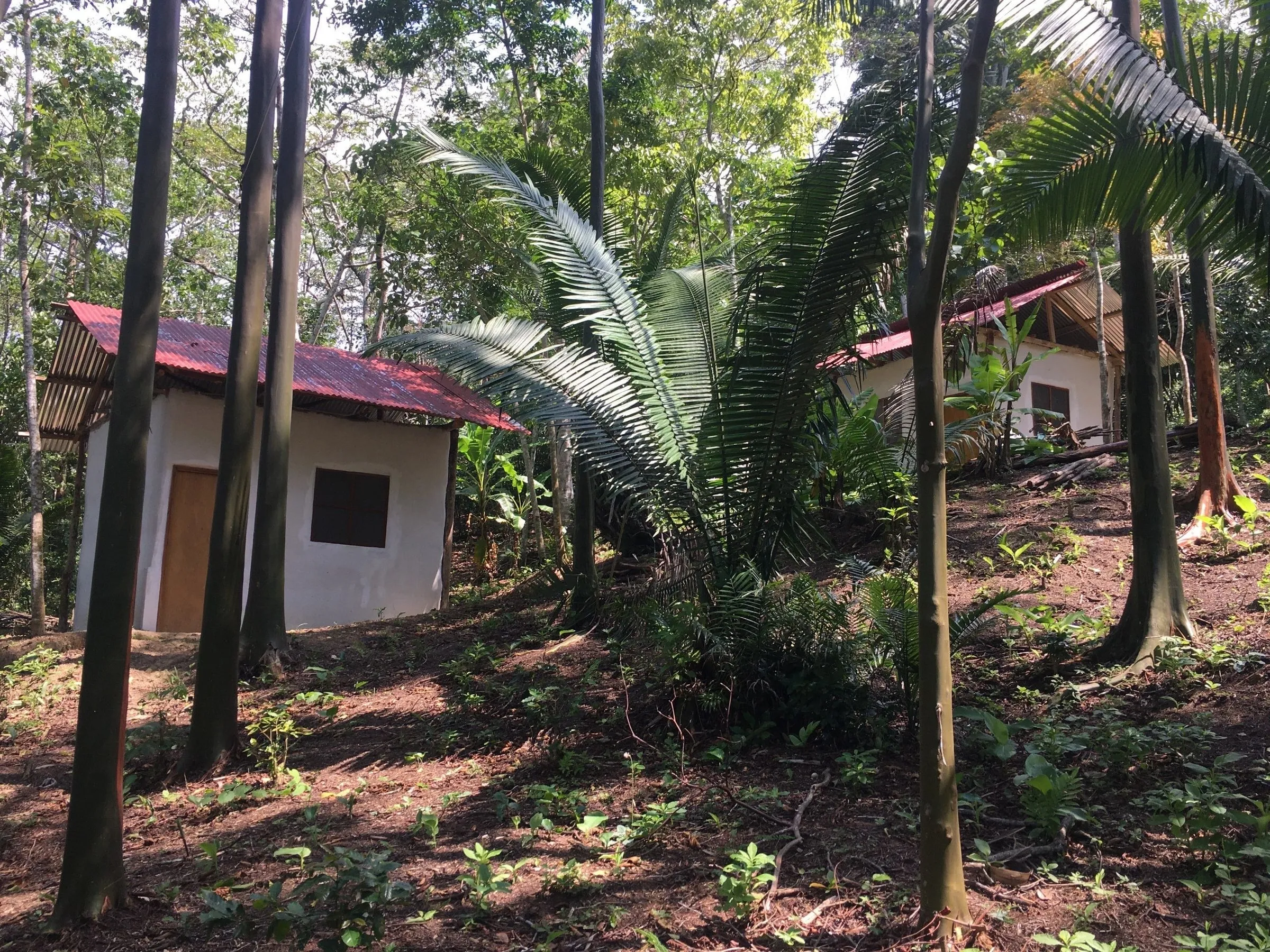
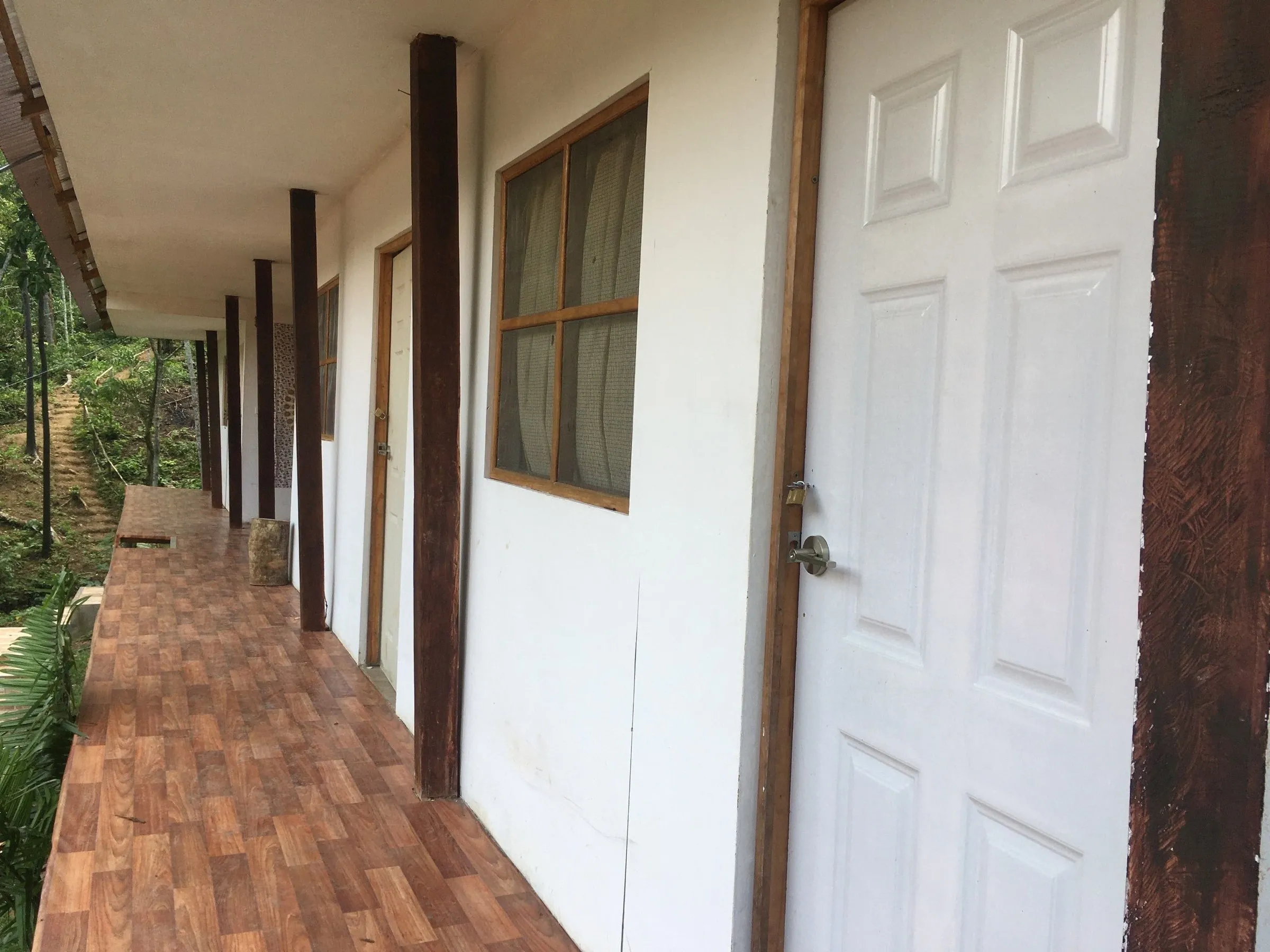
Guests sleep on the property, inside the forest, close enough to the ceremony house to walk there at night and far enough away to actually sleep. Walk a few steps past any building and you are back in unbroken forest.


Chapter three. The retreats
Every retreat follows the same shape: arrive, go down, stay a while, come back up carefully. What changes is how much room each stage gets. Four days gives you the first part honestly. Three weeks gives you all of it.
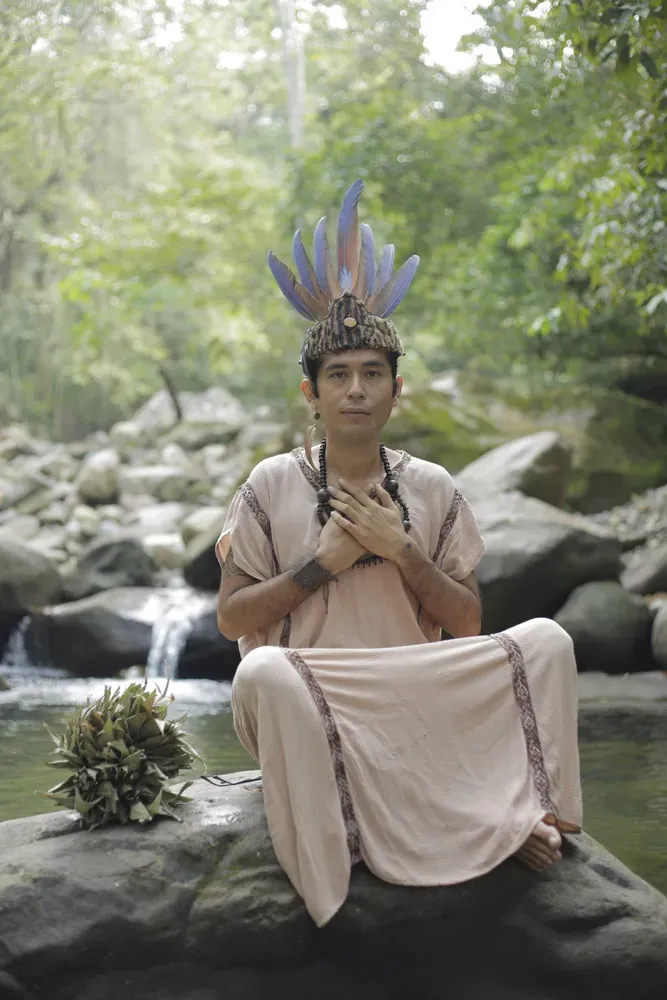
Four days
A first meeting with the forest
The shortest way in. Four days is long enough to leave the noise behind, learn where the paths go, meet the people who hold this place, and sit with what the forest brings up. It is not long enough to rush. Guests who want a first, careful introduction usually start here.
Read about this retreat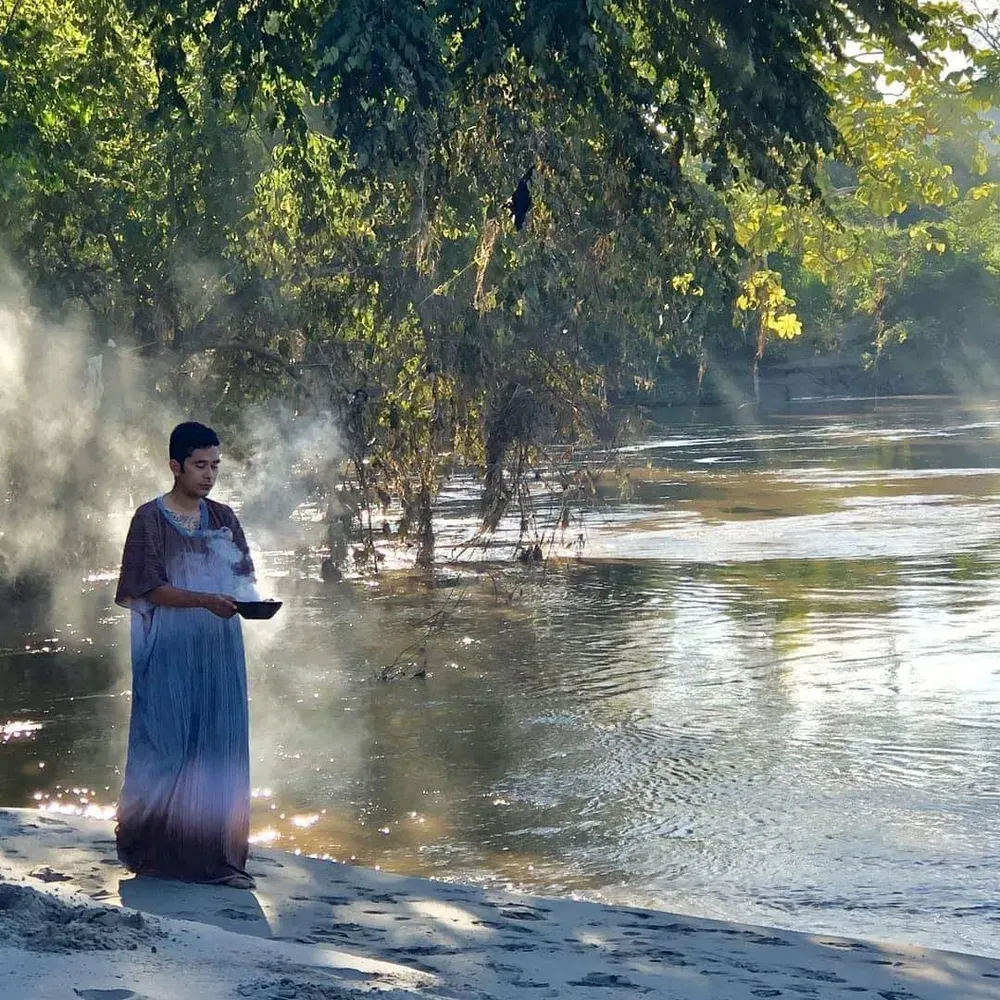
One week
Long enough for the current to change
A week is where most people find the floor. The first days empty out the noise. The middle days go somewhere quieter. By the end there is time to sit with what happened rather than carry it straight onto a plane. This is the length most guests choose for a first serious stay.
Read about this retreat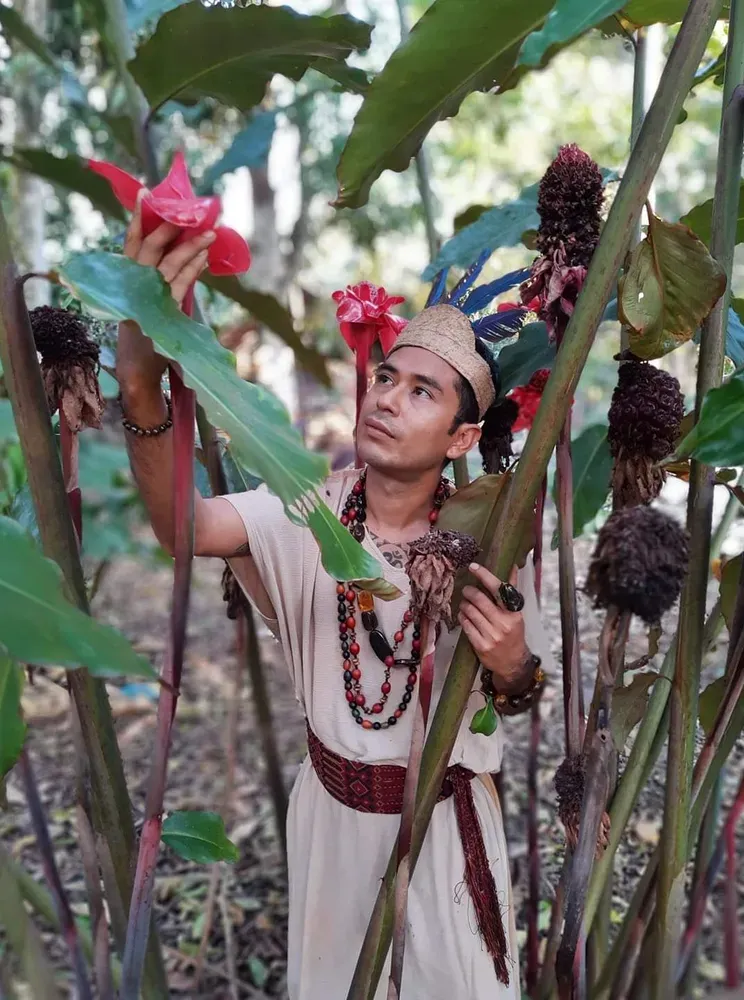
Two weeks
Where the forest stops being scenery
Two weeks changes the relationship. You stop being a visitor looking at the forest and start living inside its hours. Mornings become familiar. You learn the birds by sound. There is room for slower traditional work and for the long rest that has to follow it.
Read about this retreat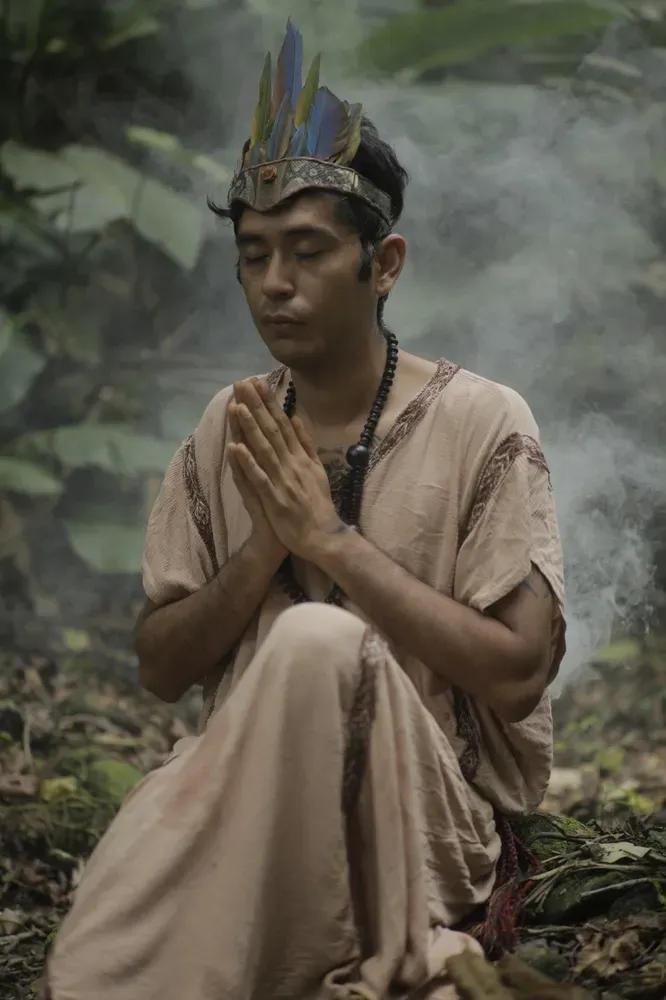
Three weeks
The long arc, including the way back
The longest stay Qinty offers. Three weeks is not three times a week. It is a different shape: a long descent, a long stay at the bottom, and a deliberate, unhurried climb back out. Most of what makes a retreat hold is in that last part, and this is the only length that gives it proper room.
Read about this retreat
The maloka in rain
Chapter four. The people
Nobody at Qinty Wasi does the same job twice, and all four lead ceremony. Qinty is the master medicine teacher and protector of the land. Sean brings energy work and awareness alongside the medicine. Rose brings NLP and emotional integration alongside it. Mannah brings a grounded, intuitive presence.
You will meet all of them if you come. This is who they are before that.
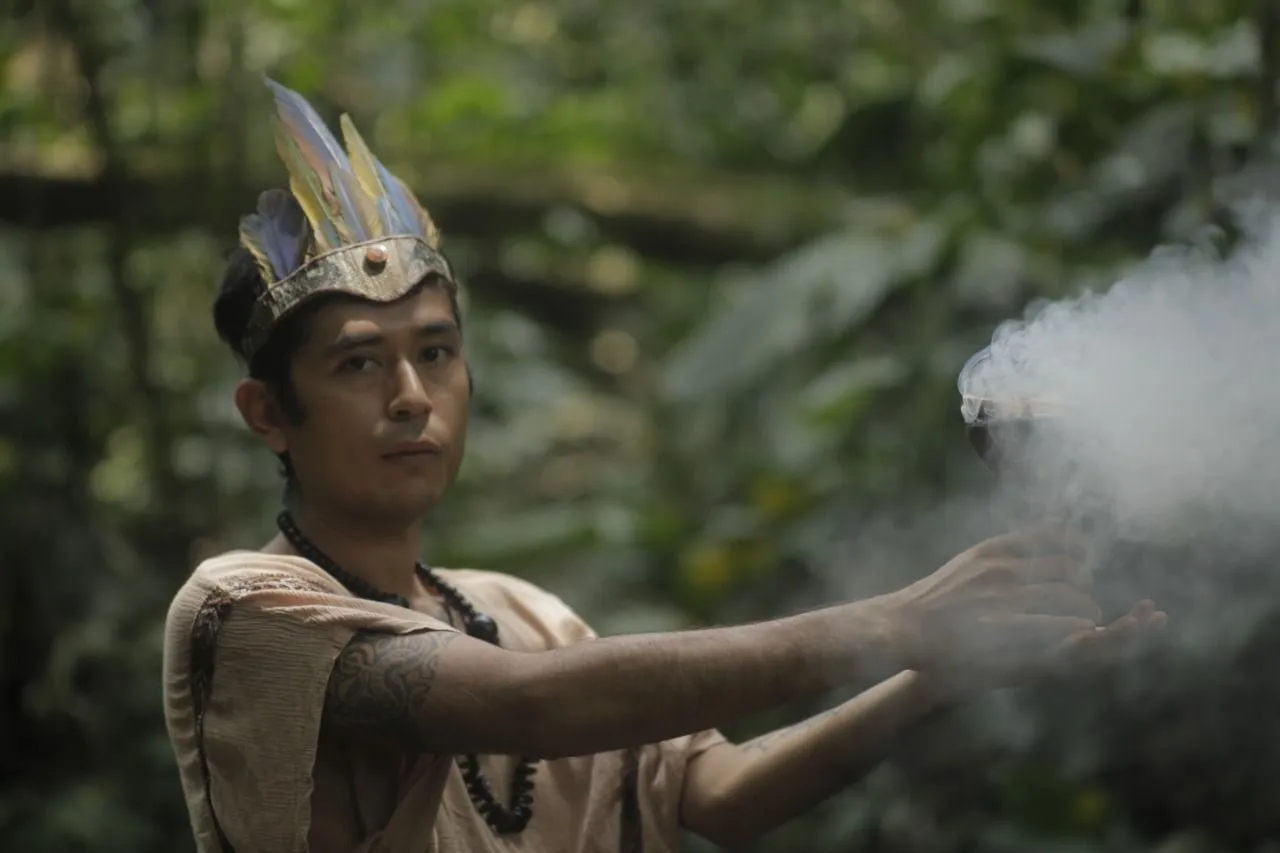
Master medicine teacher, protector of the land
Nearly twenty years with Amazonian medicine, carrying forward a healing tradition this land has held for generations.
Qinty is from Tarapoto and leads Qinty Wasi as its master medicine teacher and protector of the land. This ground has been used for generations by the local native tribe as a place of healing, long before it was ever a retreat, and Qinty carries that work forward rather than having started something new. His relationship with this tradition comes from the place he grew up, not from a course taken somewhere else, and it has shaped close to twenty years of his life.
He has carried that work well beyond Peru, travelling from the Amazon to share ceremony and teaching with people from many countries. His role here is not only to lead a ceremony. He holds the relationship between guests, the plants, the land, and the traditions this work comes from, and he will be the one to receive you when you arrive.
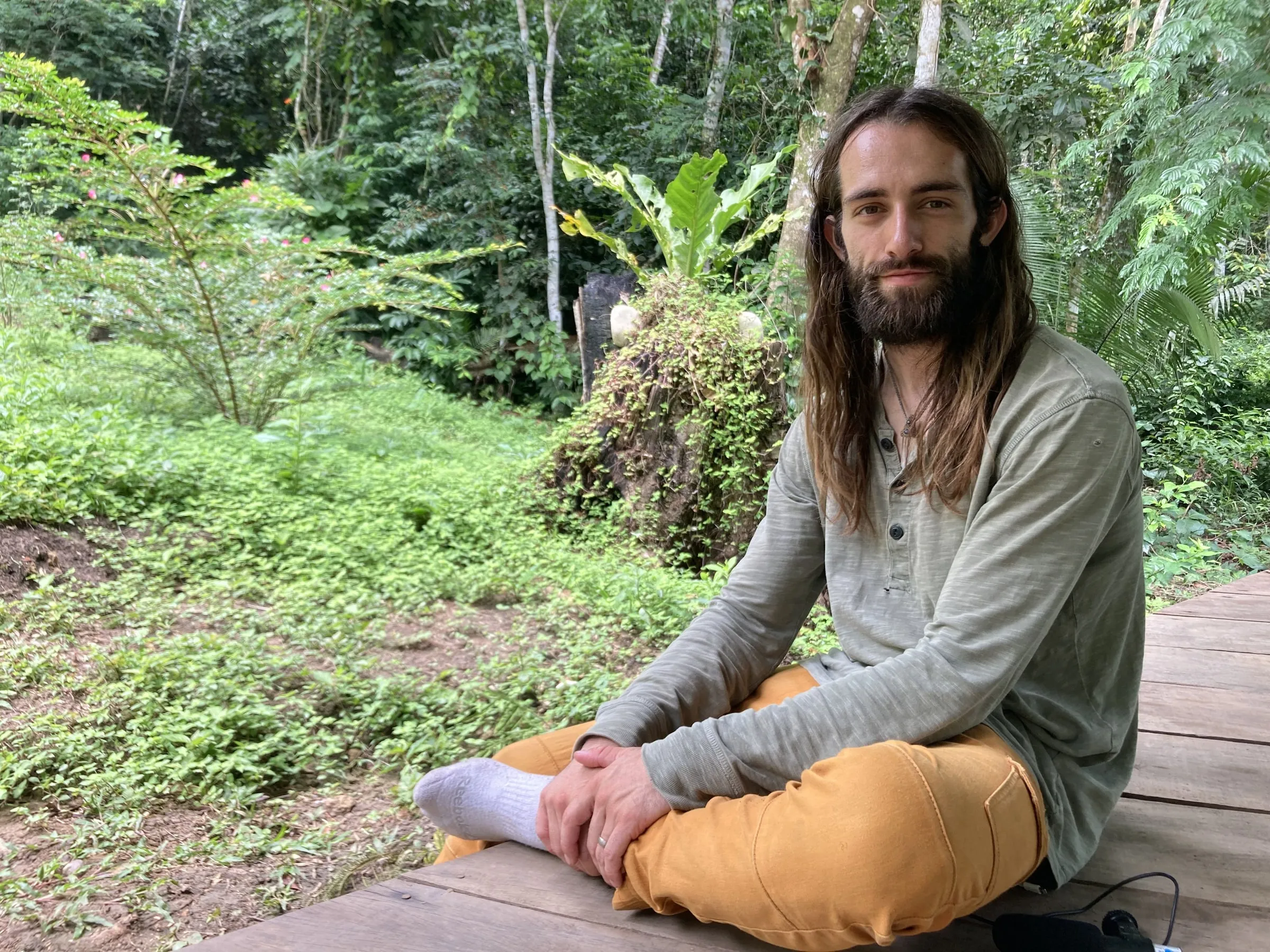
Medicine work, Reiki and energy integration
Sean is a medicine worker who leads ceremony, and works at the point where energy, awareness and the medicine meet.
Sean is a medicine worker at Qinty Wasi and leads ceremony himself. His work also carries Reiki and energy work: much of what he offers is awareness, helping someone notice what is actually happening inside them, physically, emotionally, energetically, rather than only what they expect to feel.
Ceremony and integration are not separate for him. What changes something is how a person carries it afterward, and that runs through everything he does, in the ceremonial space and outside it. He and Rose also teach meditation together, a pairing built on two individual practices rather than one supporting the other.
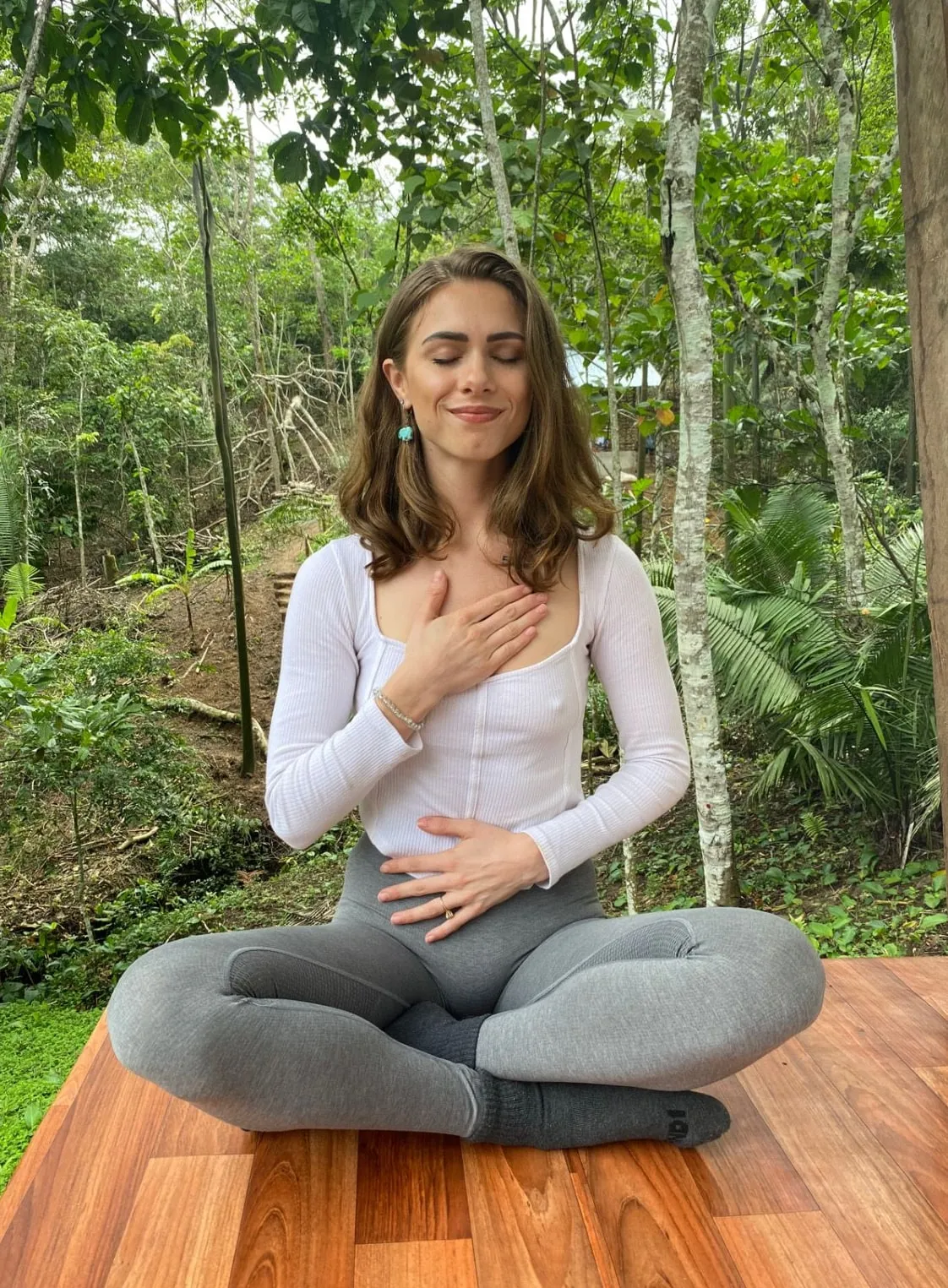
Medicine work, NLP and emotional integration
Rose is a medicine worker who leads ceremony, and works with what surfaces before, during and after it.
Rose is a medicine worker at Qinty Wasi and leads ceremony in her own right. Her work also draws on NLP and an integrative process she brings to emotion, belief and pattern, the material that surfaces before a ceremony and the material that surfaces once it is over.
She helps people actually work with what surfaced: naming it, understanding it, and starting to shift it, rather than letting it fade on the flight home. She and Sean also teach meditation together, and their approaches complement each other without either one stepping back from their own ceremonial work.
Photograph pending
A portrait of Mannah. Nothing on file yet.
Medicine worker, ceremony leader
A medicine worker who leads ceremony, felt as a steady, attentive presence in the space.
Mannah is a medicine worker at Qinty Wasi and leads ceremony as part of the team. Her presence is grounded and attentive, and it shapes the ceremonial space as much as anything spoken in it.
What she brings comes through in the room more than in a biography: a steady awareness, an intuitive read of what a moment calls for, and a quiet, sustained attention to the people in it.
Sean and Rose also teach meditation together, and the pairing works. But read the four profiles below and you will notice none of them sound like each other. That is the point.
Sean and Rose are some of the most amazing humans I’ve ever met. They held such sacred space for me and my besties. I would trust them with anything. They were the perfect space holders for me. I felt loved, safe and seen.
From a guest video, shared with permission
Chapter five. Ceremony
We will tell you the practical shape of a night: where it happens, roughly how long it lasts, who is in the room, that you can lie down, that you can leave, that someone stays awake the whole time.
We will not describe what you are supposed to see or feel. Those descriptions set expectations that get in the way, and some of what happens in that house is not ours to publish.
We will also tell you who should not take part, in public, on the safety page, rather than keeping it to a private form.
Traditional ceremony is not medical or psychological treatment.
What an eye-opening and beautiful experience for my first session. I was nervous and self-doubting, but as the process began, Rose was there helping and guiding me through it. It has been one of the most special experiences in my life. So many things I experienced and felt that I never have before, and my heart and soul is healing.
From a guest video, shared with permission

The common area
Chapter six. Rest and integration
A retreat that sends you home the morning after a ceremony has done half a job. Whatever moved needs somewhere to land.
So the schedule leaves long, dull, useful hours: sleeping, eating, walking, writing things down, saying them out loud to someone who was there. This is the part that turns an experience into a change, and it is the reason the longer retreats exist.
Once you leave, Peace Life gives you somewhere to keep going: a daily practice app built by Sean with short guided sessions, journaling and reflection around the same energy work you explored during your stay. It works whether you do a four day retreat or a three week one, and it also works for people who have never done a retreat at all. How integration works is on its own page, with a link to explore it further.

Your personalized journey through Peace Life
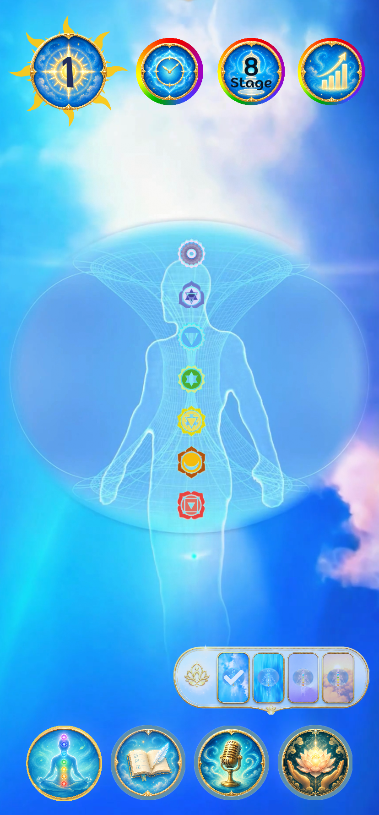
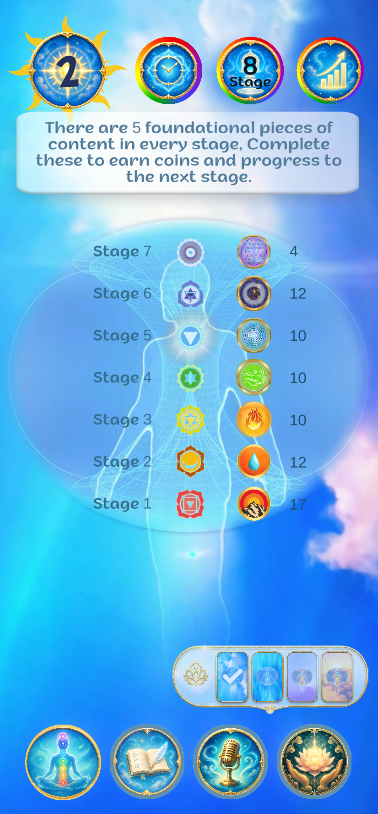
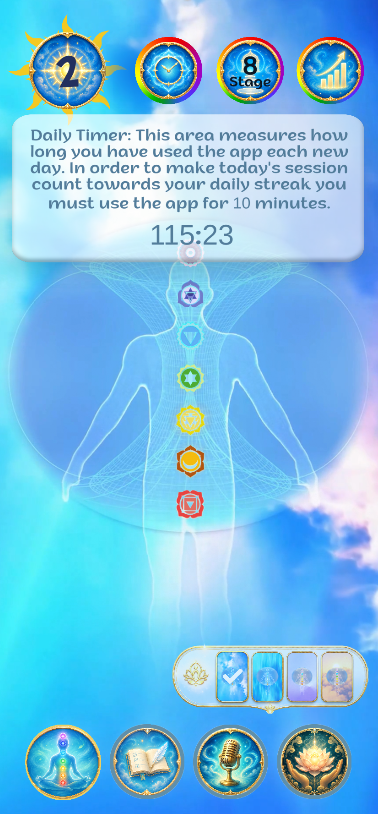

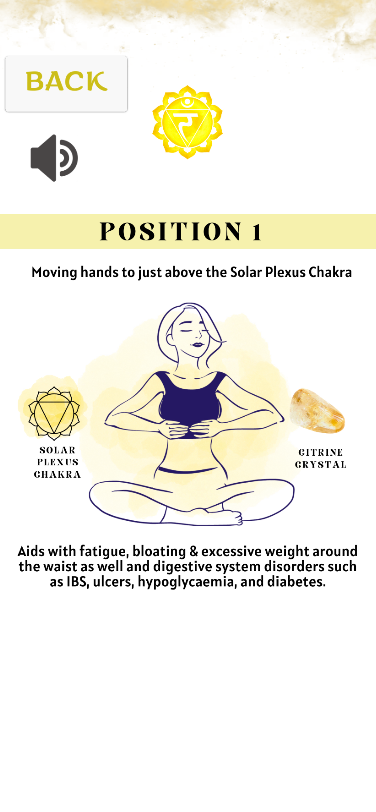
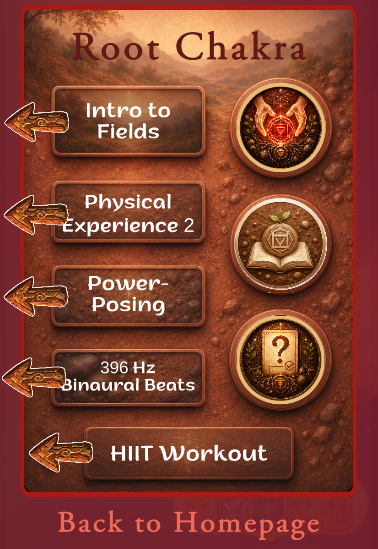
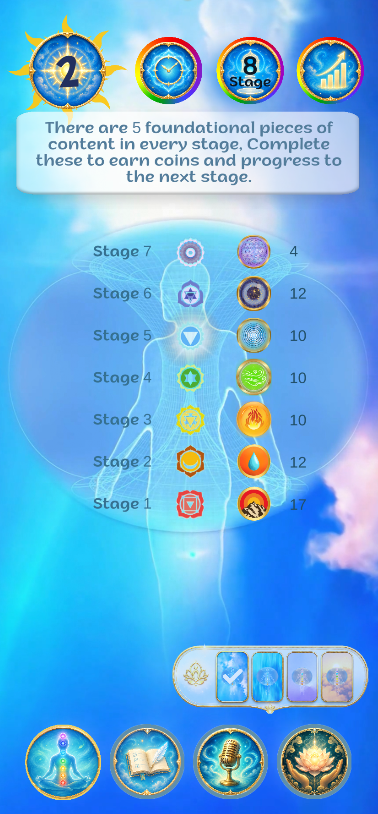
Prepare before your retreat with guided meditations and intention-setting. Continue during your time at Qinty Wasi with familiar practices. Integrate afterward with daily reflections and progress tracking: your practices, your pace, for months after you return home.
Built by Sean, Peace Life is a guided personal-development program that bridges preparation, retreat experience, and everyday life. It provides structure for emotional, energetic, and personal wellbeing, before you arrive in Peru, during your time at Qinty Wasi, and for months after you return home. Rather than leaving retreat with only memories, Peace Life helps you develop practices you carry into your life.
""Transformed my daily practice. The guided sessions are exactly what I needed to maintain the healing from my retreat.""
It was truly incredible from beginning to end. I have never worked with a more skilled and knowledgeable Reiki healer than Sean. It was an experience I will always remember and be grateful for. Sean is very wise, and his advice is so helpful in many ways… I highly recommend anyone looking for light, healing or clarity to work with them. You won’t regret it.
From a guest video, shared with permission
With Sean and Rose, I embarked on a rejuvenating retreat that ignited my inner healing, and I’m deeply thankful for their selfless devotion to empowering our community with unconditional love and support. I highly recommend working with them.
From a guest video, shared with permission
I can’t even begin to express my experience with this group of people running this facility. It was breathtaking, beautiful by all measures of the word, healing and so surreal. My best friend and I went together, and she and I are of different belief systems, and it was so astounding how we both felt the same incredible power of these people and this place. I’m going back soon.
From a guest video, shared with permission
Sean and Rose are gifted healers. Their passion for healing and connecting humans with themselves and the earth is incredible. I recommend them without hesitation.
From a guest video, shared with permission

The garden
Chapter seven. The land
This is the part of Qinty that is easiest to skip past on a retreat website, and it is the part that decides whether any of the rest survives.
Traditional medicine comes out of a living forest. The plants are not ingredients that can be sourced elsewhere. They grow in a specific soil, at a specific altitude, in relationships with specific insects and specific birds, and the knowledge of how to work with them grew alongside them. Clear the forest and you do not lose a supply. You lose the whole grammar.
So the land around the centre is held rather than used. Buildings went up inside standing forest instead of on cleared ground, which is what the view from above shows: roofs you have to look for.
Qinty states that this land has been used for generations by the local native tribe as a place of healing, long before it was ever a retreat, and that it sits inside what was Peru’s first protected natural region and remains part of a protected park today. That standing is part of why the forest here is treated as sacred territory rather than as scenery: walking paths are kept clear and marked for safety, but nothing wider than a path is ever cut.
In the way this region understands it, the forest is not a set of resources with a person standing outside it. The plants and the animals are participants, and they are treated as participants. That is a position rather than a measurement, and it is stated here as Qinty holds it, not as something this website is asking you to accept.
The forest around the retreat, what stands in it, and what is being kept standing.
Shared with you directlyAnimals and plants actually observed here, each with a date and an observer.
Shared with you directlyNative species planted, where, and how they are doing since.
Shared with you directlyThe streams and springs the land depends on, and how they are protected.
Shared with you directlyChapter eight. What gets passed on

Protection is not only fencing. It is knowing which tree that is, what it does, who planted it, and what happens to the birds if it goes.
Guests walk the land with people who grew up on it. Plants get named. The reason a particular tree is standing gets explained. Almost nobody arrives able to tell one green from another, and almost everybody leaves able to tell a few.
That is the quiet argument of this place. People protect what they have met. A visitor who spent three weeks learning the difference between two palms is a different kind of advocate afterwards than one who saw a beautiful blur from a window.
The shape of it
Attention, patience, and the willingness to leave something standing that you could have taken. That is what conservation asks of a person, and it is also what the inner work asks. Guests tend to notice the rhyme somewhere in the second week, usually while looking at a tree.
Getting here
Almost every international route into Peru lands at Jorge Chávez in Lima.
Tarapoto airport is TPP, Cadete FAP Guillermo del Castillo Paredes. It takes domestic flights only, most often from Lima.
Someone from Qinty meets you, or you follow written arrival instructions sent before you travel.
Tarapoto gives way to green hills, then to forest, then to the track that reaches the land.
You are shown where you sleep, you eat, and you are left alone to rest. Nothing is asked of you on the first evening.
Questions
Treat the stay as time away from your phone. What connectivity exists on the land is being confirmed, and we would rather tell you nothing than tell you wrong. If someone at home needs to reach you in an emergency, we will give you a way before you arrive.
A ceremony is held by experienced guides in a dedicated space, usually at night, over several hours. People sit or lie down. There is singing. You are not left alone. Beyond that, what is offered and how it is held is described to you directly during your application, because it depends on the retreat, on the guides and on you.
No. Traditional ceremony is not medical care, and it is not psychotherapy. It does not diagnose, treat or cure any condition. If you are receiving treatment for a physical or mental health condition, keep working with the people who treat you, and tell us during screening.
Tell us. Some medications interact seriously with traditional preparations, and some combinations are dangerous. Screening exists for exactly this. Never stop or change a prescription on your own to qualify for a retreat. Talk to the doctor who prescribed it, and talk to us.
Prices are not published on this site yet. They are confirmed with Qinty and will appear on each retreat page with what is included, what is not, and the deposit terms. Ask and we will tell you the current figure.

The climb to the lookout
Chapter nine. The way in
There is no booking button on this site. You send an application, someone reads it, and then you talk to a person. If a retreat is not right for you, or not right yet, we would rather say so before you buy a flight.