
The Amazon
What is still here.
San Martín sits where the Andes come down into the Amazon basin. The forest that meeting produced still holds things that have thinned out or gone from a great deal of their old range elsewhere.
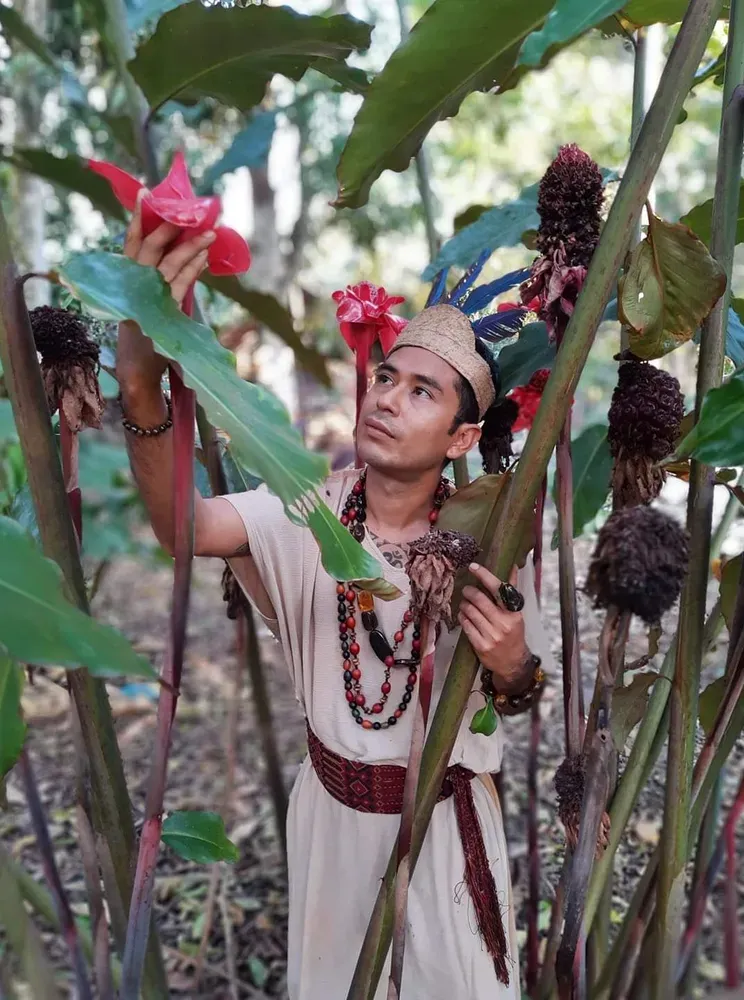
That meeting of mountain and basin is why the region is so varied. The altitude changes fast, and with it the soil, the plants, the birds and the weather. Valleys a few kilometres apart can hold different things.
Rain shapes the calendar. It falls all year, harder in some months, and it decides what the rivers do, which paths are walkable and what is flowering.
A forest like this runs on relationships. A tree depends on one particular animal to carry its seed. A plant depends on an insect that only comes out at one hour of one season. Remove enough of those links and the whole thing thins out quietly, long before it starts to look empty. That is why the loss is usually invisible until it is finished.
Qinty holds that the plants and animals here are not scenery and not stock. They are participants in the healing work, and the forest is treated as a party to it rather than a backdrop for it. That is how this tradition understands the place. It is stated here as their position, not as a finding.
What has actually been recorded on this land, species by species, with dates and with the name of whoever identified it, is being documented now. None of it is published on this site until it is real, because a forest that matters this much deserves better than an impressive sounding list.